
22 Sau The historical evolution of gambling From ancient rituals to modern casinos
The historical evolution of gambling From ancient rituals to modern casinos
The Origins of Gambling
The history of gambling can be traced back to ancient civilizations, where it served as a form of entertainment and spiritual ritual. Archaeological evidence suggests that dice, one of the earliest forms of gambling, dates back to 3000 BC in Mesopotamia. These early forms of betting were often entwined with religious practices, where people would gamble for favors from the gods or to predict future events, much like the way one might explore the best online casinos australia today for entertainment.
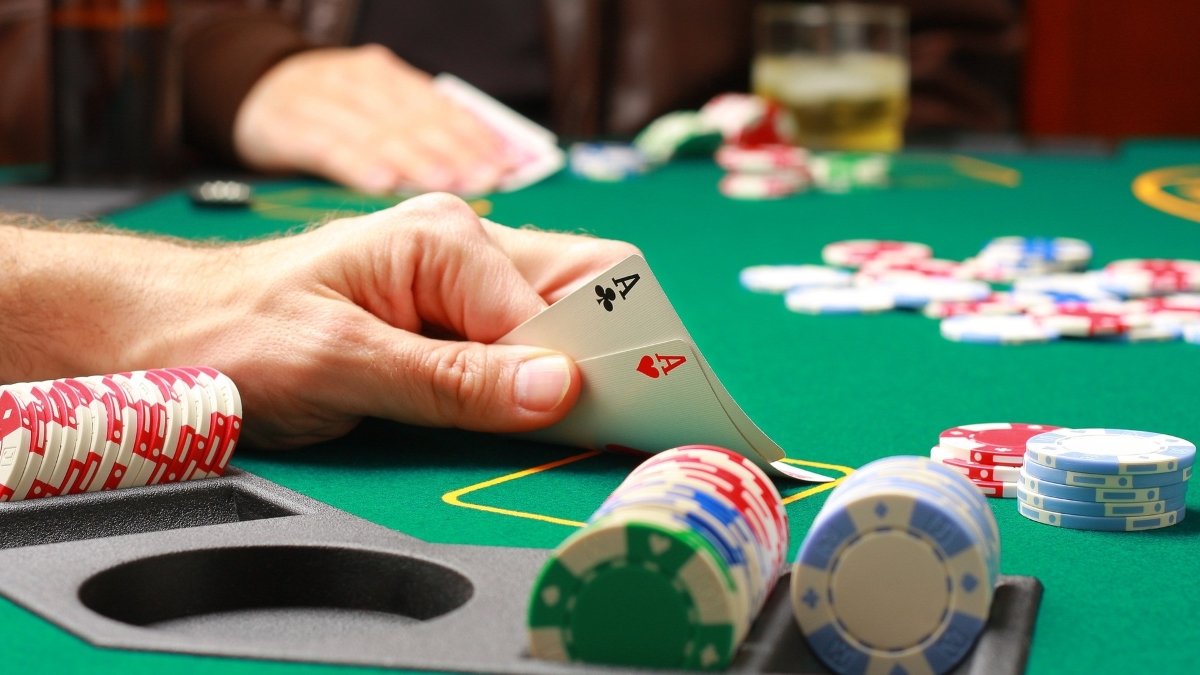
In ancient China, around 2000 BC, gambling was integrated into community life through games like Keno, which was used to fund the construction of the Great Wall. Similarly, the Romans embraced gambling, using it as a social tool that brought people together. These early practices laid the foundation for gambling as we know it today, creating a cultural significance that transcended mere pastime.
The Middle Ages and Gambling Culture
During the Middle Ages, gambling underwent significant evolution. The rise of card games in Europe shifted the landscape, with games like Tarot emerging. Gambling became more structured, with the establishment of gaming houses that catered to the growing demand for entertainment. This era saw the birth of regulations to curb excessive gambling, reflecting the changing societal attitudes towards betting.
In this period, gambling was often associated with nobility, as it was seen as a reflection of status. Tournaments and jousts included betting, making them as much about competition as financial stakes. The Church’s stance fluctuated between acceptance and condemnation, influencing how gambling was perceived across different regions.
The Advent of Modern Gambling
The 17th and 18th centuries marked a turning point in the evolution of gambling. The introduction of the lottery in various European countries provided a legal way to gamble, raising funds for public projects. This era also saw the establishment of official gambling houses, and eventually, the first modern casino opened in Venice in 1638. This development laid the groundwork for the glamorous casino culture that flourishes today.
As gambling spread, so did the regulations governing it. Governments began to recognize the potential for revenue generation from legalized gambling, leading to structured environments where individuals could engage in betting safely. The introduction of standardized rules for games like poker and roulette helped to further legitimize gambling as a form of entertainment.
The Digital Transformation of Gambling
The late 20th and early 21st centuries brought about a digital revolution that transformed gambling yet again. The internet enabled online casinos to emerge, allowing players to place bets from the comfort of their homes. This shift democratized gambling, making it more accessible to a global audience while also raising concerns about regulation and responsible gambling practices.
Mobile technology has further propelled the gambling industry into a new era, with apps and online platforms catering to a tech-savvy generation. Innovations like live dealer games and virtual reality experiences are reshaping how people interact with gambling, creating immersive experiences that bridge the gap between traditional and modern gaming.

Conclusion and Future Directions
As we reflect on the historical evolution of gambling, it becomes clear that this pastime has continually adapted to societal changes and technological advancements. From ancient rituals to the opulence of modern casinos and the rapid growth of online betting, gambling remains an integral part of human culture.
The future of gambling will likely be shaped by ongoing innovations, regulatory changes, and a heightened focus on responsible gaming. As the industry continues to evolve, it remains essential for enthusiasts to stay informed and engaged, ensuring that the thrill of gambling is balanced with awareness and responsibility.
No Comments