
21 Sau The intriguing history of gambling how it evolved through the ages
The intriguing history of gambling how it evolved through the ages
The Origins of Gambling
The history of gambling can be traced back thousands of years, with evidence suggesting that it was a common practice in ancient civilizations. Archaeological findings reveal that the Chinese were using rudimentary dice as early as 2000 BC. Similarly, ancient Egyptians are believed to have played games of chance, which were often linked to religious practices. These early forms of gambling not only served as entertainment but also held cultural significance, influencing social structures and communal activities. Today, many enthusiasts might even explore options like non gamstop casinos to experience this ancient pastime.
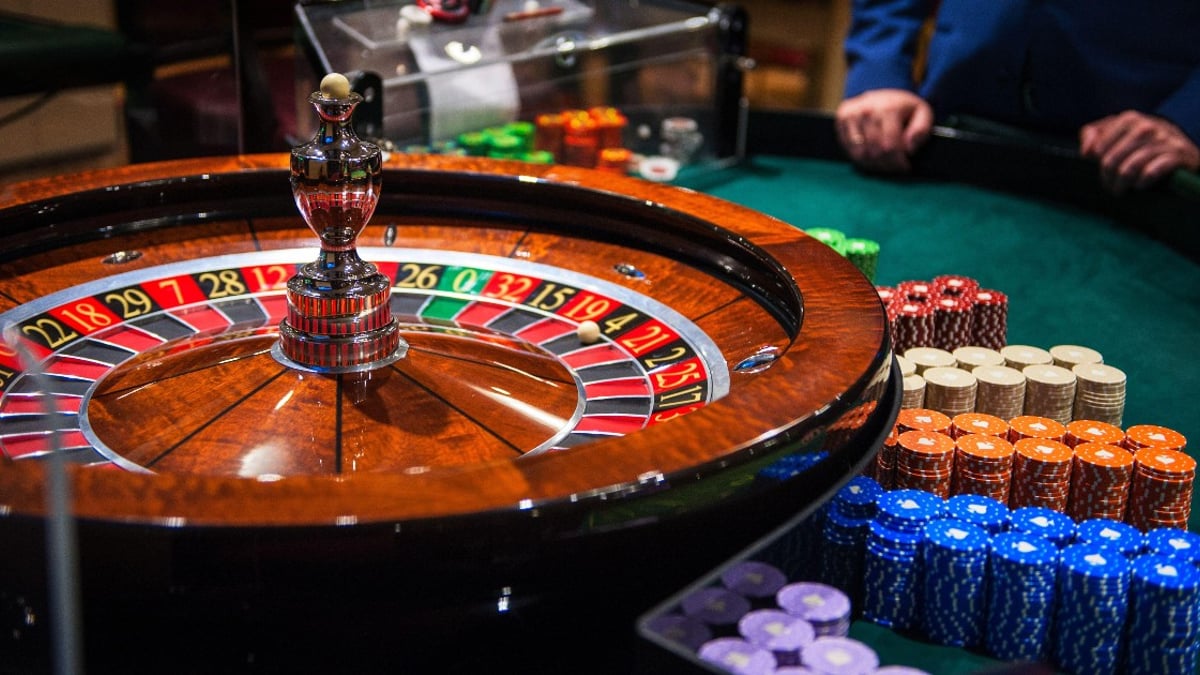
As societies evolved, so did gambling. In ancient Rome, betting on gladiatorial contests became popular, drawing large crowds and considerable wagers. The Romans formalized some aspects of gambling, introducing rules and regulations that laid the groundwork for modern gambling practices. This historical context demonstrates that gambling has always been intertwined with human social interaction, serving as a reflection of the values and norms of the time.
The Rise of Gambling in Medieval Europe
During the medieval period, gambling took on new forms across Europe. The establishment of gaming houses and the introduction of card games marked a significant shift. Playing cards, thought to have originated in China, gained popularity in France and Italy, leading to the creation of various card games that still exist today. These games often involved gambling and were played in both noble courts and common taverns, illustrating a democratization of gambling.
The Renaissance period further catalyzed the growth of gambling, with state-sanctioned lotteries emerging as a way to fund public projects. This era also saw the creation of iconic games, such as dice and roulette, which would become staples in casinos. The blending of chance and strategy in these games attracted a wide audience, establishing gambling as a mainstream activity in European culture.
The Development of Modern Gambling
The 19th century marked a turning point for gambling, particularly with the expansion of the casino industry. The establishment of casinos in places like Monte Carlo and Las Vegas transformed the gambling landscape, creating luxurious environments that drew patrons from around the world. These casinos introduced a variety of games, catering to diverse preferences and further popularizing gambling as a form of entertainment.
In addition, the advent of technology played a crucial role in shaping modern gambling. The introduction of slot machines in the late 19th century offered a new, accessible way to gamble, while advancements in technology have since led to the rise of online gambling. This evolution has made gambling more widely available, allowing people to engage in games of chance from the comfort of their homes.
The Economics of Gambling
Gambling has significant economic implications, contributing billions to local and national economies. It creates jobs in various sectors, from hospitality to entertainment, and generates substantial tax revenue for governments. This financial impact has made gambling a focal point for policy discussions, as lawmakers weigh the benefits against potential social issues related to gambling addiction.
The economic model of gambling relies heavily on the balance between risk and reward, driving innovation in gaming technologies and marketing strategies. As the industry continues to evolve, understanding the economic forces at play becomes essential for stakeholders aiming to create a sustainable future for gambling.

Promoting Responsible Gambling
In light of the rich history of gambling, it is vital to approach the subject with a focus on responsibility. Organizations dedicated to promoting a healthy work-life balance emphasize the importance of engaging in gambling in moderation. They offer resources and support for individuals who may struggle with gambling-related issues, ensuring that the activity remains a form of entertainment rather than a source of distress.
As gambling continues to evolve, fostering an environment that encourages responsible participation is crucial. By balancing enjoyment with awareness, society can appreciate the historical significance of gambling while prioritizing the well-being of individuals and communities. The journey of gambling through the ages serves as a reminder of its complex relationship with culture and economy, necessitating a thoughtful approach to its future.
No Comments